A central vision of bioelectronic medicine is to find ways to regulate body states through electric interactions with the nervous system rather than through administration of pharmaceuticals. Diabetes is one of the first major targets for this novel approach: Even the most advanced existing pharmaceutical therapies are still error-prone and complicated, often leaving patients with unsatisfactory therapeutic results and with frequent harmful episodes.
A prerequisite for better treatments is the precise and continuous measurement of blood glucose levels together with a coupled possibility to release appropriate levels of insulin in order to keep blood sugar in the optimal range.
The first step towards such an automatic regulation of blood glucose requires the identification of a reliable neuronal signal that could serve as a readout for blood sugar levels.

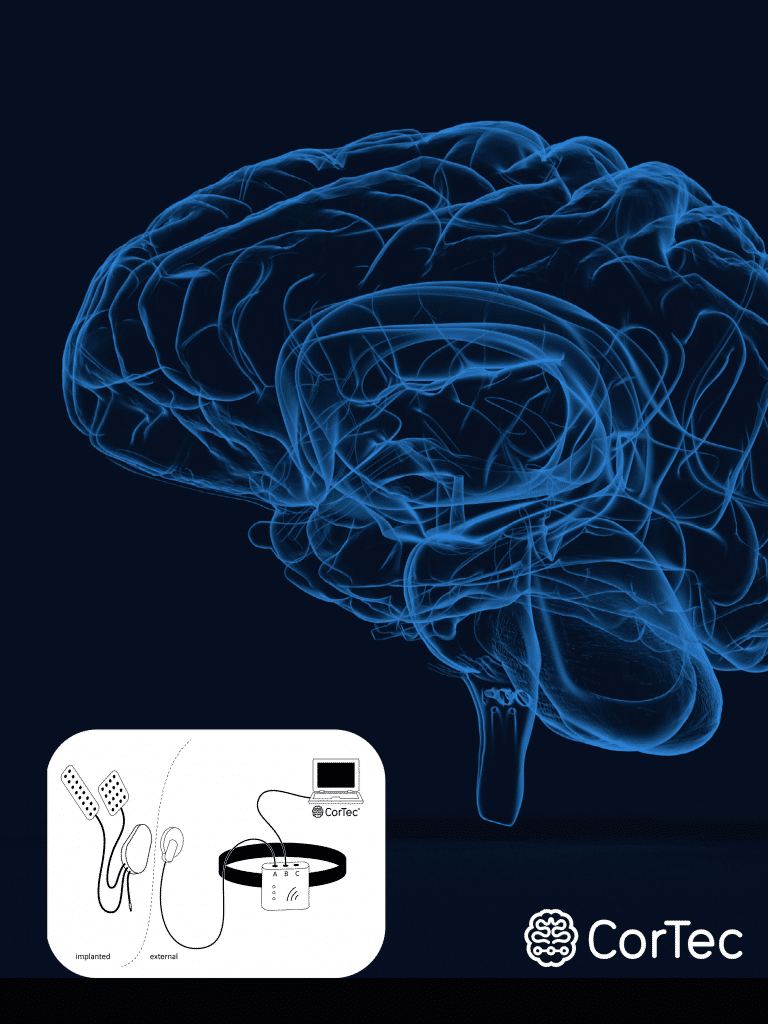
Using AirRay Cuff electrodes from CorTec, researchers at the Feinstein Institute for Medical Research in New York have now found such a neuronal signal in the vagus nerve of mice. In their experimental setup, the authors exposed the cervical part of the vagus nerve and intercepted nerve fiber signals, arising from the body heading towards the brain. They then injected insulin to make blood sugar levels drop. In diabetic patients, such decreases in blood sugar levels are dangerous events that frequently lead to loss of consciousness, seizures, coma or even death.
In their study, the authors found that many nerve fibers increased their firing rates while blood sugar levels decreased. Using these electrical signals, they constructed an automatic decoding algorithm that precisely reflected blood sugar levels based on the activity of the vagus nerve.
These are preliminary results from acute studies under anaesthesia. Their verification in long-term studies with a fully implanted system is still pending.
Nonetheless, these findings are encouraging, as they constitute the first and necessary steps along the bioelectronic vision in which diabetic patients one day could live long and well without the need for pharmacological treatment.
Citation:
Emily Battinelli Masi, Todd Levy, Tea Tsaava, Chad E. Bouton2 Kevin J. Tracey, Sangeeta S. Chavan and Theodoros P. Zanos (2019): Identification of hypoglycemia-specific neural signals by decoding murine vagus nerve activity. Bioelectronic Medicine 5:9
https://www.cortec-neuro.com/electrostimulation-with-cortec-cuff-autoimmune-diabetes/