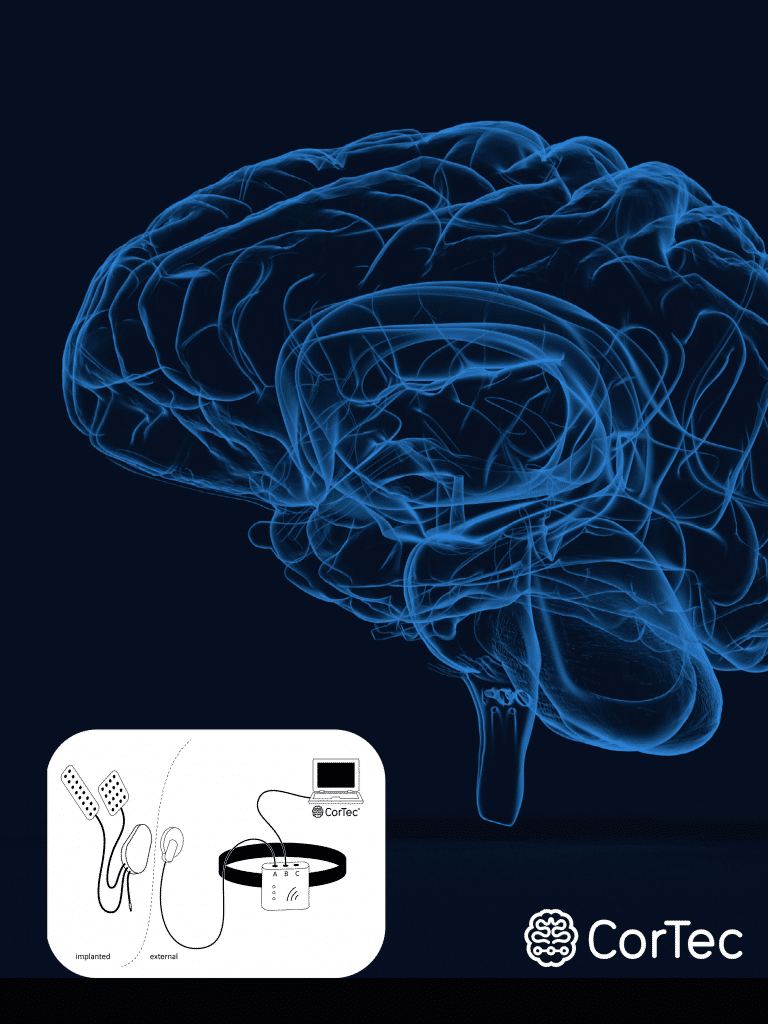
Bladder problems affect millions of people worldwide, significantly decreasing quality of life and often coming with additional medical complications. One of the most common syndromes is called “overactive bladder”, in which, as the name already suggests, patients experience a constant urge to urinate. In a recent story, we already reported how scientists are currently trying to find new ways to get a grip on these kinds of problems by electrically stimulating peripheral nerves.
Stimulation of the sacral nerves (sacral neuromodulation) is already being used in more than 100.000 patients worldwide to improve chronic incontinence and constipation. However, when it comes to overactive bladder, the treatment only works for a fraction of patients. So, current research is trying to find alternative nerve targets that may be more efficient for this particular disease.
A team of researchers from Duke University and the Bioelectronics R&D section of the UK-based company GlaxoSmithKline, with the help of CorTec Micro Cuff electrodes, is targeting the pelvic nerve for this purpose. In a previous study, the authors had already shown that pelvic nerve stimulation could increase bladder capacity, and thereby delay urination in a rat model of the disease. But there are subtle differences in urinary functions of rats and humans. So, the authors decided to re-investigate their approach in another animal model: The cat, which is much more similar to the human when it comes to urination.
What the authors found in the study that appeared now confirmed the usefulness of their approach:
In the cat, pelvic nerve stimulation not only increased bladder capacity, but it also augmented the activity of the urethral sphincter muscle. What’s more, voiding efficiency – the degree to which the bladder is emptied – was not compromised, which is important for bladder health
These encouraging results bring us an important step closer towards a novel therapy that could soon be employed in human patients.
With our FDA-cleared °AirRay electrode technology CorTec supports your therapy development through all phases – from animal model to clinical Trials.
Citation:
Langdale CL, Hokanson JA, Milliken PH, Sridhar A, Grill WM. (2020):
Stimulation of the pelvic nerve increases bladder capacity in the PGE2 cat model of overactive bladder.
Am J Physiol Renal Physiol. 318: F1357-F1368