From Product development to commercialization: Why the bridge matters more than either shore
Implantable Hardware Development (IHD) involves designing, engineering, and transferring to manufacturing the devices that are surgically placed inside the body to monitor physiological functions, deliver therapy, or restore lost capabilities. The scope is broad, and the work involved is highly specialized. Each component must function reliably inside the human body, under continuous mechanical and biochemical stress, often for years.
Posted in Stories, on .
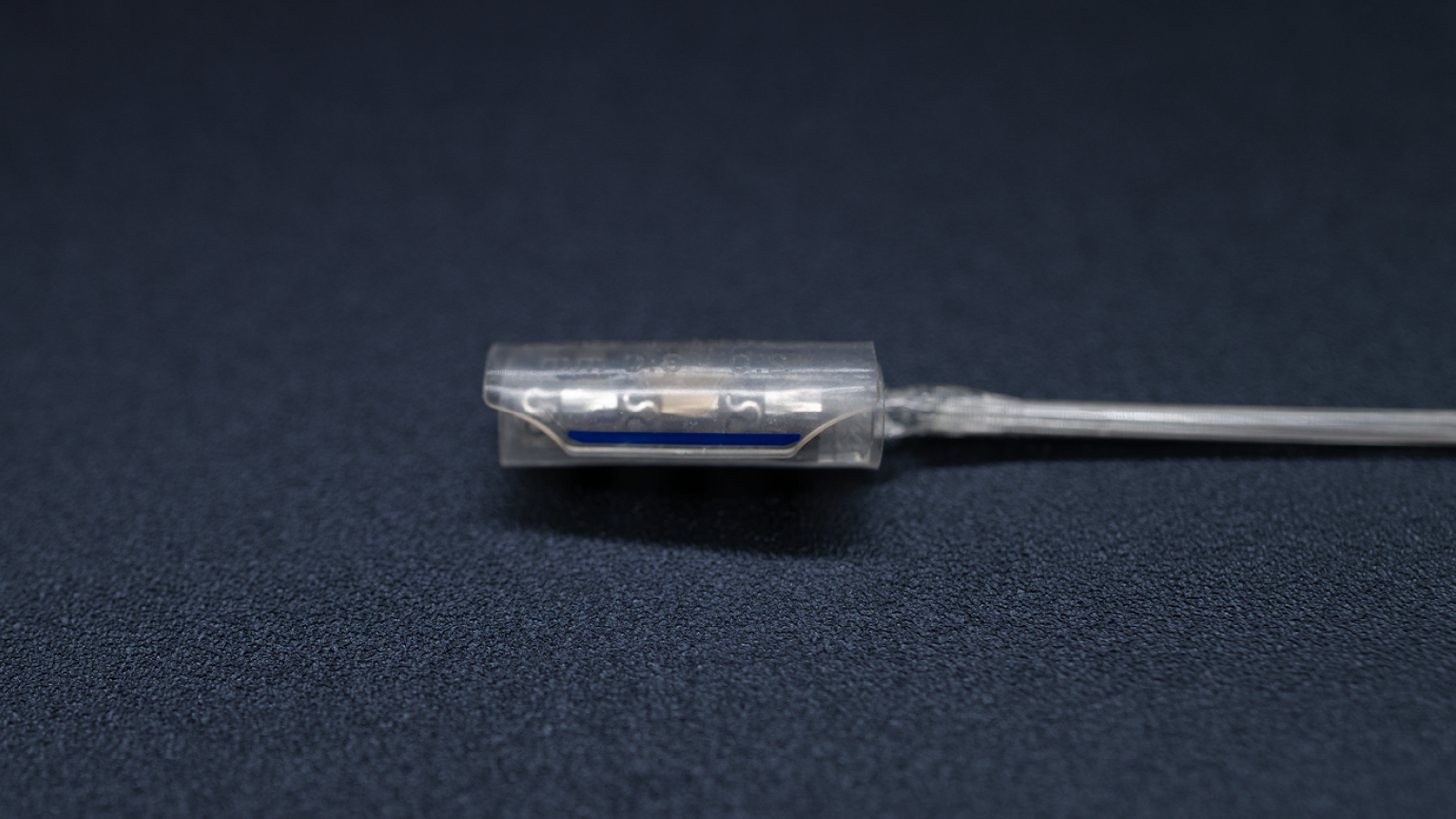
Development and commercialization feel like two separate worlds. Different teams, different metrics, different language. But the decisions made in one determine what is possible in the other. And the earlier that connection is made, the better the outcome.
The Development Trap: When Progress Stalls Before It Scales
A device that works in a research setting is not yet a product. It is a proof of concept, valuable, but incomplete. The transition from that point to something that can be manufactured consistently, validated clinically, and approved for patient use involves a different set of challenges than those that got the technology this far.
Teams that underestimate this transition tend to hit the same obstacles:
Design optimized for performance in the lab is difficult or impossible to manufacture at scale. Lab prototypes often use hand-assembled components, custom fixtures, or materials that work beautifully in controlled conditions but fail under production constraints.
Materials chosen for their functional properties create biocompatibility or regulatory problems downstream. A material that performs well electrically or mechanically may not have the biocompatibility documentation regulators demand. Discovering this after clinical work has begun is expensive.
Iteration cycles that worked in R&D become prohibitively expensive once clinical validation has started. Changing a design detail in the lab takes weeks. Changing it after you have enrolled patients takes months and can jeopardize your clinical timeline.
Go-to-market planning starts too late, disconnected from the technical decisions that shape what is regulatory approvable. Teams focus on getting the device working, then ask commercial questions. By then, technical commitments have been made that constrain market strategy.
The result is not always failure, but it is almost always delay, cost overrun, and a narrower path to market than the team originally envisioned.
Validation Is Not a Phase. It Is a Mindset.
The most effective development programs treat validation as a continuous activity, not a gate at the end of the process. Every design decision, choice of materials, lead architecture, encapsulation approach, either builds or erodes the evidentiary foundation that regulatory approval depends on.
Teams that ask regulatory questions early make fundamentally better decisions than those who defer them. The cost of changing a material specification in early development is a fraction of what it costs to repeat a biocompatibility study after clinical work has begun.
This is where strategic partnerships change the game. When your development team has access to validated materials with established biocompatibility histories, you are not gambling on regulatory acceptance. You are building on a foundation that has already been tested and accepted.
From Technical Potential to Commercial Reality
Technical excellence is necessary but not sufficient for commercial success. A device reaches patients when its clinical value is clearly demonstrated through evidence, its manufacturing is reliable and scalable, its regulatory pathway is well defined, and the market is prepared to receive it.
Each of these dimensions requires deliberate work, and each is shaped by decisions made long before the go-to-market phase begins. The teams that commercialize successfully are those that plan for commercialization from the start of development, not as a downstream activity.
This includes:
Clinical strategy: The right indication, the right patient population, and the endpoints that will demonstrate meaningful benefit. These decisions constrain what device specifications matter and which do not.
Manufacturing readiness: Producing the device consistently, at volume, under the quality systems a commercial product requires. This is not something that can be retrofitted. It shapes the design from the beginning.
Regulatory pathway: Defined early, with the required evidence actively being generated throughout development. A clear pathway reduces uncertainty. An unclear one creates expensive surprises.
Market access: Understanding who the real decision-makers are, whether clinicians, hospital procurement, or payers, and what each of them needs to see. This intelligence shapes clinical trial design and manufacturing decisions.
None of these questions has a purely technical answer. They sit at the intersection of science, strategy, and commercial judgment.
The Role of Strategic Partnerships
No single organization masters every dimension of this journey. The most successful neurotech programs are built on a network of specialized partners, each contributing validated expertise at the stage where it matters most.
CorTec's partnerships reflect exactly this logic.
With Heraeus Medevio, CorTec combines development depth with manufacturing and industrialization expertise. This partnership ensures that designs validated in the lab can be scaled to production without fundamental redesign cycles.
Together we provide engineered solutions with documented biocompatibility and established regulatory histories. For a development team, access to materials expertise through a validated supply chain is not a procurement decision. It is a risk management decision.
When your lead contacts are built on a foundation that has already been tested, characterized, and accepted by regulators, you reduce one of the most significant sources of uncertainty in the development process. You move faster because you are not waiting for regulatory feedback on materials choices. You move with greater confidence because the path forward is clearer.
This kind of partnership, where each party contributes what they do best and integration is designed from the start, is what allows complex neurotech programs to move faster and with greater confidence than they could alone.
A Platform Built for the Full Journey
CorTec's active implant platform is designed with the full development-to-commercialization arc in mind. Technically validated, backed by an FDA masterfile, and configurable for specific therapeutic applications, it gives teams a starting point that already carries significant regulatory and manufacturing credibility.
The platform is not a constraint. It is a foundation. Teams build on it, adding their own leads, their own algorithms, their own clinical evidence, but they build on something solid rather than starting from zero.
The Distance Between Development and Commercialization Is Real. But It Is Not Fixed.
The right foundation, the right partnerships, and the right strategy make it significantly shorter. The teams that understand this from day one are the ones that reach patients faster and with lower execution risk.
Interested in how CorTec supports teams across the development and commercialization journey? Contact us now
About Heraeus Medevio
Heraeus Medevio is a global medical device development and manufacturing partner dedicated to helping customers bring life-saving and life-changing technologies to market faster. Leveraging more than 170 years of materials science expertise from the Heraeus Group, Heraeus Medevio provides end-to-end support across product development, engineering, advanced materials technologies, industrialization, manufacturing, and commercialization. Serving medical device innovators worldwide, the company combines deep technical expertise, global resources, and a collaborative approach to solve complex challenges, accelerate growth, and improve patient outcomes.