Keep your hardware. Evolve your product.
Your requirements will change. Your implant shouldn't have to. Develop faster and with less risk, from early prototypes to first-in-human studies.
Posted in Stories, on .
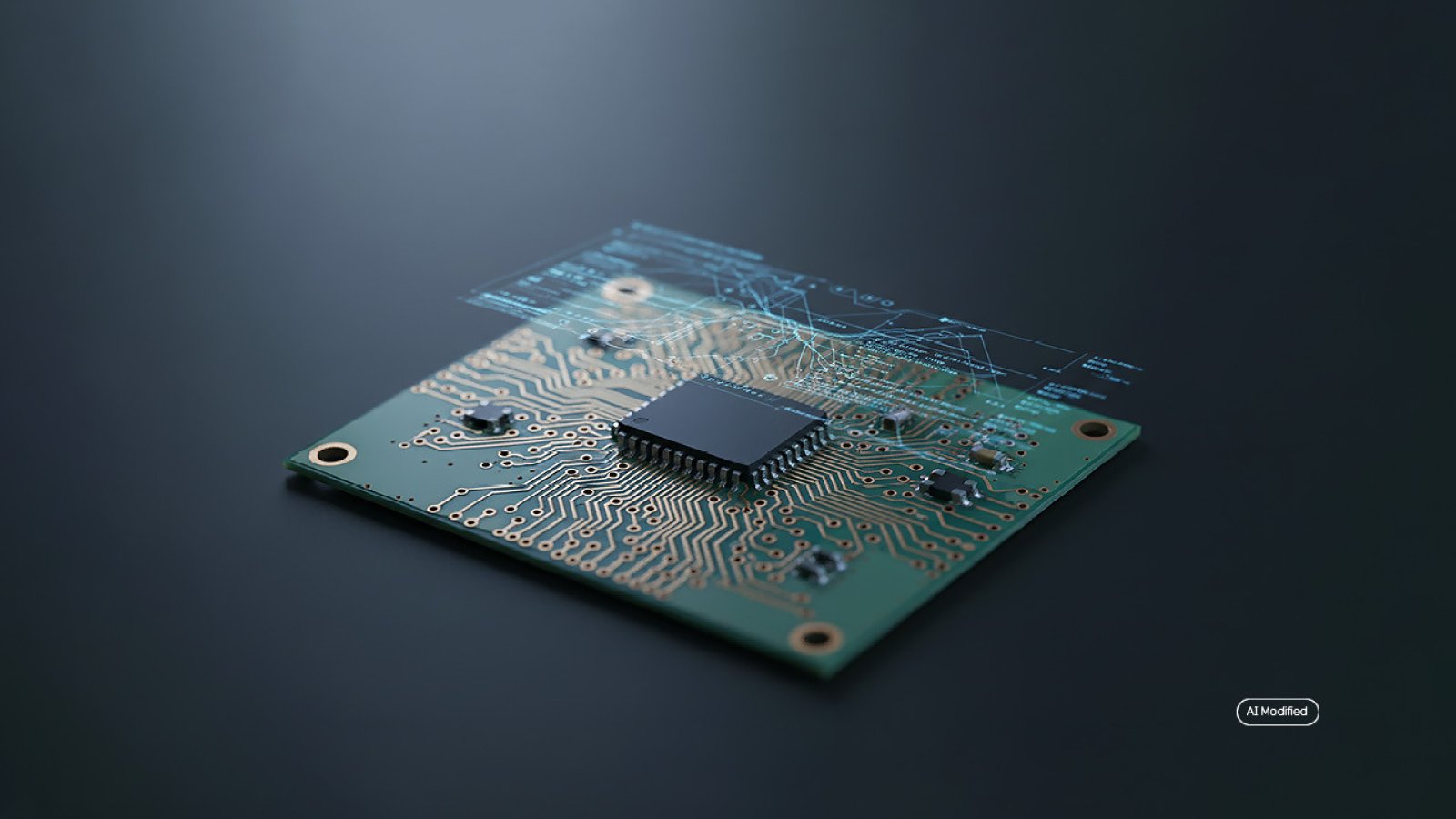
Your product will change
Early medical-device requirements are rarely final. Both startups and established medical-device companies learn through prototypes, animal studies, and regulatory feedback. Study protocols, functionality, and use cases may evolve while development is already underway. This matters most when devices have already been manufactured, sealed, sterilized or implanted in animal models.
A hardware change can trigger new manufacturing efforts, additional verification and validation, renewed safety evaluation, and possibly additional biocompatibility or other qualification activities. Software changes are generally less disruptive than replacing qualified medical-device hardware. Without a way to change software, every software-driven change turns into a hardware redesign, replaced study implants and a delayed program. Software should be able to change when hardware can't.
The world around your product is changing too
Cybersecurity is now a lifecycle obligation, and the direction of regulation is clear:
EU MDR and MDCG 2019-16: cybersecurity is part of medical-device safety.
US FD&C Act §524B (2023): legal requirements for cybersecurity, vulnerability management, updates and patches.
FDA cybersecurity guidance: ongoing updates, current version February 2026.
EU Cyber Resilience Act: broader regulation heading the same way, even though it doesn't apply directly to medical devices.
A device designed today must be ready for vulnerabilities discovered tomorrow.
The harder a device is to access, the more important safe updating becomes
Embedded firmware evolves throughout the product lifecycle. Field updates should be fast, controlled, and reliable, and they should use a defined product interface rather than unnecessary internal programming or debug access.
For medical devices, the stakes are higher. A failed or incomplete update can affect device availability and potentially safety. Opening a device may compromise its qualified or validated condition, and additional service or debug interfaces create further safety and cybersecurity concerns. For an implant, direct physical access is severely constrained, and replacement may require an invasive intervention.
The benefit increases as access becomes more restricted: embedded, enclosed, sealed, sterilized, safety-critical, implanted. The less acceptable physical access becomes, the more valuable controlled software access becomes.
What a bootloader does
A bootloader is dedicated software that controls how firmware is installed and started. It separates the update mechanism from the application being updated. It makes firmware updating a controlled process rather than simply transferring and executing new software. It can check firmware integrity and provide defined behavior when an update fails or is interrupted.
What CorTec does
Your requirements will keep evolving, and your development should keep up. We developed our own bootloaders specifically for the needs of medical devices, and both our External Unit and our Implantable Unit include one. It is not a generic firmware update tool. It is part of a platform designed for controlled change, reliability, software lifecycle management and risk reduction. You do not have to build every safety-critical capability from scratch.
What this means for you:
Adapt as you learn: change software as requirements and study needs evolve, without redesigning the hardware.
Keep your hardware in place: make software changes without touching devices that are sealed, sterilized or implanted.
Commit later, with less risk: you do not have to fix software functionality before you know what the study needs.
Lower lifecycle cost: reduce servicing effort, hardware replacement and the need for physical intervention.
Stay responsive after release: correct defects and address cybersecurity vulnerabilities as they emerge.
Start further ahead: build on an existing medical-device platform instead of developing every safety-critical capability from scratch.
The platform is a strong starting point for preclinical and EFS/first-in-human programs. The bootloader alone does not provide regulatory approval or automatic EFS readiness.
Focus on your therapy. We built the platform to keep up with you.
Contact us to talk about your EFS roadmap and how we could support your next study.